Views: 0 Author: Site Editor Publish Time: 2025-11-05 Origin: Site
Toilet paper is an essential household item found in every home, office, and restroom around the world. But have you ever stopped to wonder — where is toilet paper made? From traditional wood pulp products to modern bamboo toilet paper, the manufacturing process varies by region, material, and brand philosophy. In this article, we’ll explore how toilet paper is produced, where it comes from, and why sustainable materials like bamboo toilet paper are the future of hygiene.
Toilet paper is made all over the world, with major production hubs in countries such as:
| Country | Major Toilet Paper Brands | Specialty Production Type |
|---|---|---|
| United States | Kimberly-Clark, Procter & Gamble | Recycled and soft toilet and paper products |
| China | Baoda Paper, Vinda, Hengan | Bamboo toilet paper and bulk toilet paper manufacturing |
| Canada | Kruger Products | Sustainable and soft toilet paper rolls |
| Japan | Nepia, Oji Holdings | Premium and fragrance-infused toilet paper |
| Germany | Essity | Environmentally friendly toilet paper |
The toilet and paper industry is massive, worth billions of dollars annually. The growing awareness of environmental issues has shifted much of the focus toward bamboo toilet paper, a renewable alternative that’s both strong and soft.


The manufacturing process of toilet paper generally starts in large paper mills. Depending on the brand, location, and raw materials, production can take place in domestic or international facilities.
For example, in China, many leading companies produce bamboo toilet paper, thanks to the country’s abundant bamboo resources. Baoda Paper, one of China’s professional manufacturers, specializes in eco-friendly bamboo tissue products, supplying global markets with sustainable toilet and paper solutions.
Meanwhile, the United States and Europe produce most of their toilet paper from wood pulp derived from managed forests. The pulp is processed, bleached (if white paper is desired), and converted into soft, absorbent sheets.
The toilet and paper production process involves several key stages:
Raw Material Preparation – The main materials are wood pulp, recycled paper, or bamboo fiber. Bamboo toilet paper begins with bamboo stalks that are crushed, pulped, and refined.
Pulping – Fibers are broken down and mixed with water to form pulp. For bamboo toilet paper, this step is chemical-free and environmentally friendly.
Bleaching and Drying – Some toilet paper is bleached for whiteness; others retain a natural beige color, especially eco-friendly bamboo toilet paper.
Pressing and Rolling – The pulp is pressed into thin sheets and rolled into large paper reels.
Cutting and Packaging – Rolls are cut, perforated, and wrapped for retail sale.
This entire process ensures that toilet paper remains soft, durable, and biodegradable — all essential qualities for modern consumers.
Bamboo toilet paper has become one of the fastest-growing segments in the global toilet and paper market. Why? Because it offers numerous advantages over traditional wood pulp options.
| Feature | Bamboo Toilet Paper | Traditional Toilet Paper |
|---|---|---|
| Material Source | Fast-growing bamboo | Trees (slow regrowth) |
| Environmental Impact | Low carbon footprint | Higher deforestation impact |
| Texture | Soft yet strong | Softer, but less sustainable |
| Biodegradability | Fully biodegradable | Partially biodegradable |
| Production Cost | Moderate | Moderate to high |
Using bamboo toilet paper not only reduces deforestation but also supports sustainable farming. Bamboo can regrow after harvesting, making it one of the world’s most renewable resources.
Brands like Baoda Paper are leading the way by producing high-quality, sustainable toilet and paper products that meet international hygiene standards while protecting the environment.
The growing popularity of bamboo toilet paper reflects a larger shift toward sustainability and eco-conscious living. Consumers are increasingly choosing eco-friendly options for everyday items — and toilet paper is no exception.
Renewable Resource: Bamboo grows up to 30 times faster than trees, making it an ideal raw material for toilet and paper production.
Chemical-Free Manufacturing: Most bamboo toilet paper uses natural processes without chlorine bleach.
Soft Yet Strong: The natural fibers make bamboo toilet paper soft to the touch but resilient during use.
Environmentally Friendly Disposal: 100% biodegradable and safe for septic systems.
This combination of comfort, sustainability, and eco-awareness is reshaping how we think about toilet and paper consumption.
Most toilet paper is made in large paper mills across the United States, China, and Europe. China leads in the production of bamboo toilet paper due to its vast bamboo supply and advanced manufacturing technologies.
Yes. Bamboo toilet paper is made from a renewable resource that requires no pesticides, minimal water, and regrows quickly after harvesting. It is a top choice for eco-friendly toilet and paper users.
Modern bamboo toilet paper feels very soft and luxurious, comparable to premium brands of traditional toilet paper. It also offers greater strength and durability.
Toilet paper is typically packaged in rolls, loaded into bulk cartons, and shipped via sea or air freight. Manufacturers like Baoda Paper export large volumes of bamboo toilet paper to international distributors.
Absolutely. Bamboo toilet paper dissolves quickly in water and is fully biodegradable, making it safe for both septic tanks and plumbing systems.
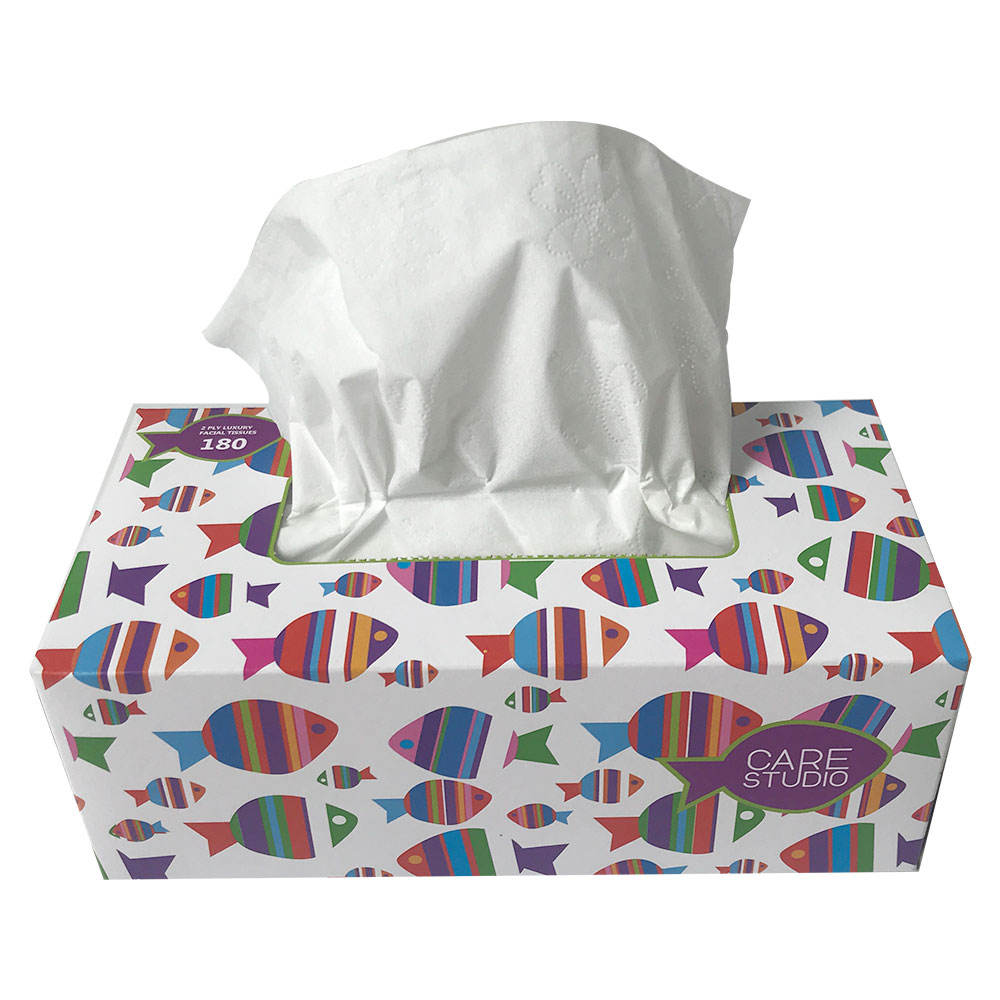

When selecting toilet paper, consider the following factors:
| Feature | Why It Matters |
|---|---|
| Softness | Ensures comfort for everyday use |
| Strength | Prevents tearing during use |
| Eco-Friendliness | Reduces environmental footprint |
| Septic Safety | Keeps plumbing systems clear |
| Material | Choose bamboo toilet paper for sustainability |
If you’re looking for quality, eco-conscious toilet and paper products, Baoda Paper stands out as a trusted manufacturer and supplier.
From humble beginnings to global sustainability efforts, toilet paper has evolved dramatically. The next chapter in this evolution is undeniably green — led by bamboo toilet paper and other renewable materials.
As consumers become more conscious about their environmental impact, choosing bamboo toilet paper from reliable manufacturers like Baoda Paper ensures both personal comfort and global responsibility.
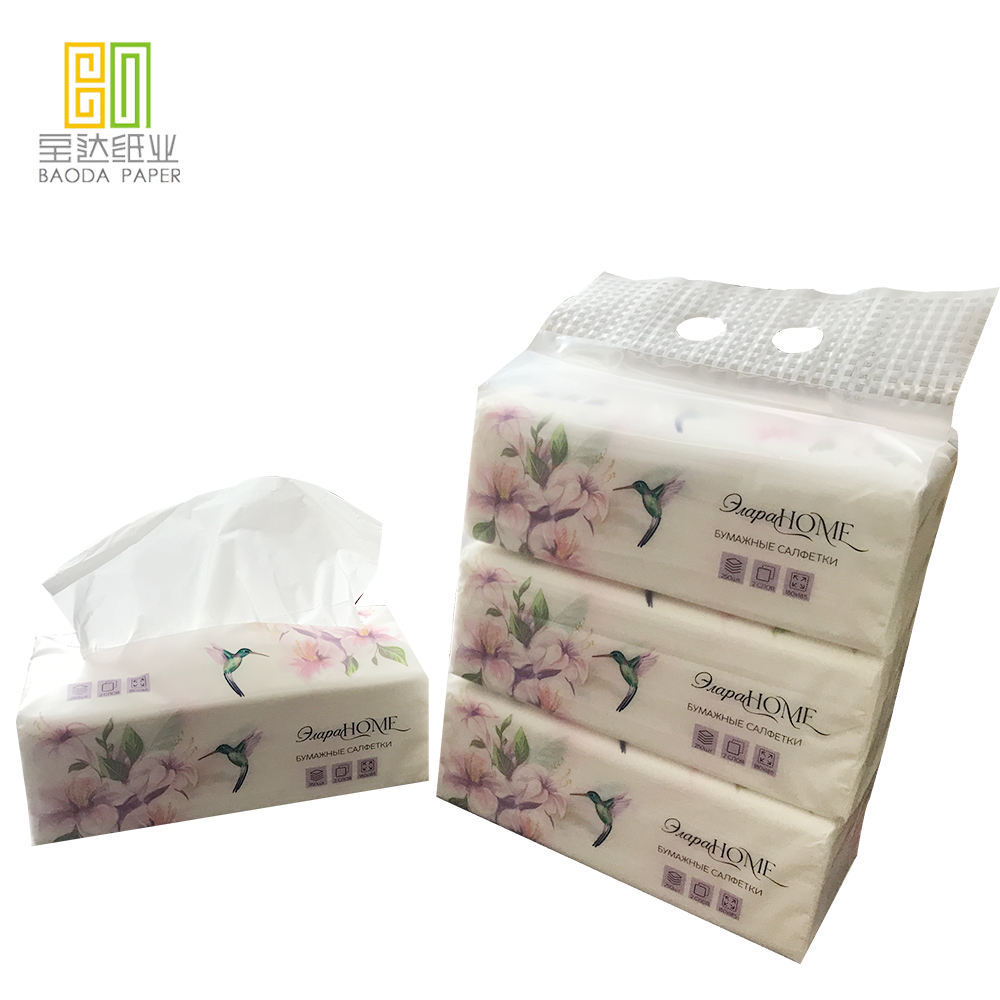
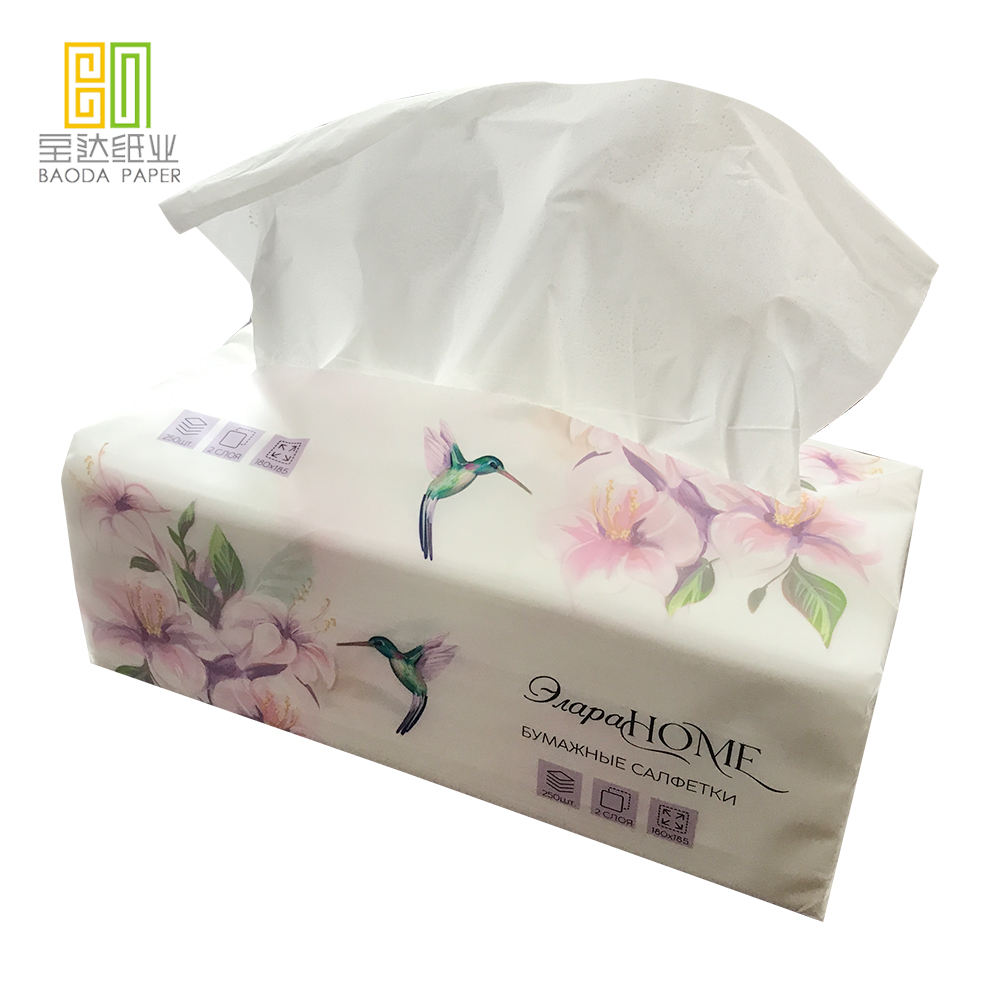
For premium-quality bamboo toilet paper and sustainable toilet and paper products, choose Baoda Paper — a leading name in eco-friendly hygiene solutions.
Email: sale@baodapaper.com
Phone: +86 18029673238
Baoda Paper – Committed to a cleaner, greener world.

| | Address: Xinyuan Industrial Development , Xinhui District , Jiangmen City, Guangdong province , China |
| | Custom Support & Sale: +86-750-6895212 |
| | phone: +86-13380963281 |
| | E-mail: sale@baodapaper.com??????? |